
Mastering Landscape Construction: Essential Techniques for Durable Outdoor Spaces

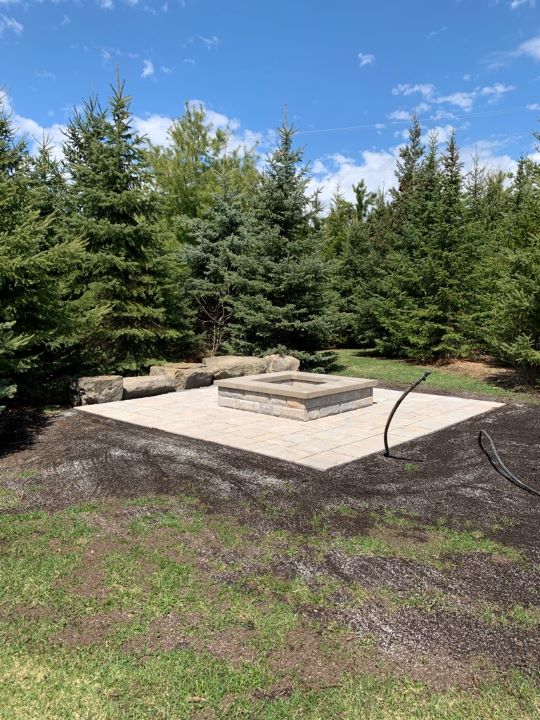
Landscape Construction Hero Image

Creating durable outdoor spaces that stand the test of time is both an art and a science. For small business owners, developers, and general readers interested in transforming their properties, understanding the core principles of landscape construction is essential. Mastering landscape construction techniques ensures that every element—from patios and retaining walls to walkways and planting beds—remains functional, beautiful, and resilient for years. In this guide, we’ll explore the most effective strategies, materials, and innovations used by professionals to deliver long-lasting results. Whether you’re planning a commercial project or enhancing a local property, these insights will help you make informed decisions, avoid common pitfalls, and achieve a stunning, low-maintenance landscape. Let’s dive into the world of landscape construction and discover how to bring your vision to life with confidence.

Mastering Landscape Construction: Essential Techniques for Durable Outdoor Spaces in Ottawa

When it comes to mastering landscape construction, understanding the unique climate and soil conditions in the region is crucial. Durable outdoor spaces require more than just aesthetic appeal—they demand robust planning, proper materials, and expert execution. For business owners and developers, investing in high-quality landscape construction can significantly enhance property value and curb appeal.

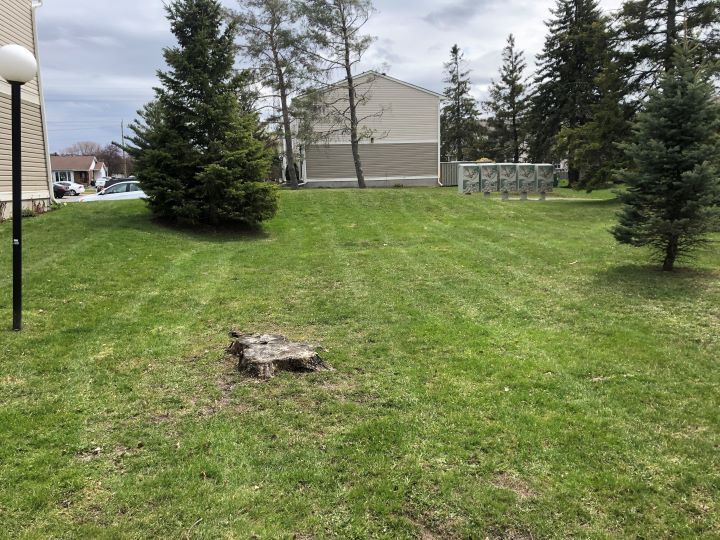
One of the most important aspects is site assessment. Before breaking ground, professionals evaluate drainage patterns, soil composition, and existing vegetation. This ensures that every feature, from walkways to patios, is built on a solid foundation. Using the right base materials, such as crushed stone or compacted gravel, prevents shifting and settling over time.

Another key technique is integrating proper grading and drainage systems. Water management is essential to prevent erosion and protect hardscapes. By directing runoff away from structures and planting beds, you create a landscape that withstands seasonal changes and heavy rainfall. Choosing weather-resistant materials like interlocking pavers, concrete, and natural stone further enhances durability.

For those seeking professional assistance, Ottawa Commercial Services offer specialized expertise in constructing resilient outdoor environments. Their knowledge of local conditions and advanced construction methods ensures that every project is built to last. By focusing on these essential techniques, you can create outdoor spaces that are both functional and visually striking for years to come.

Landscape Construction in Ottawa, ON: Building for Longevity

Building outdoor spaces that endure requires a blend of technical knowledge and creative vision. In this area, landscape construction professionals emphasize the importance of using locally sourced materials that are well-suited to the climate. For example, frost-resistant pavers and reinforced retaining walls are essential for withstanding freeze-thaw cycles common in the region.

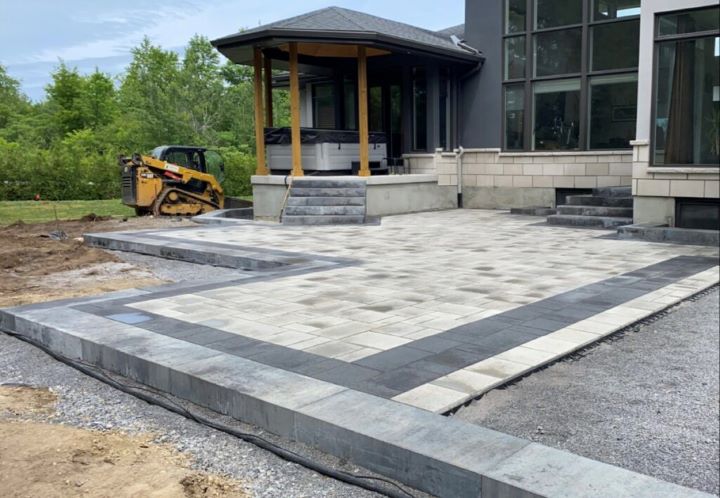
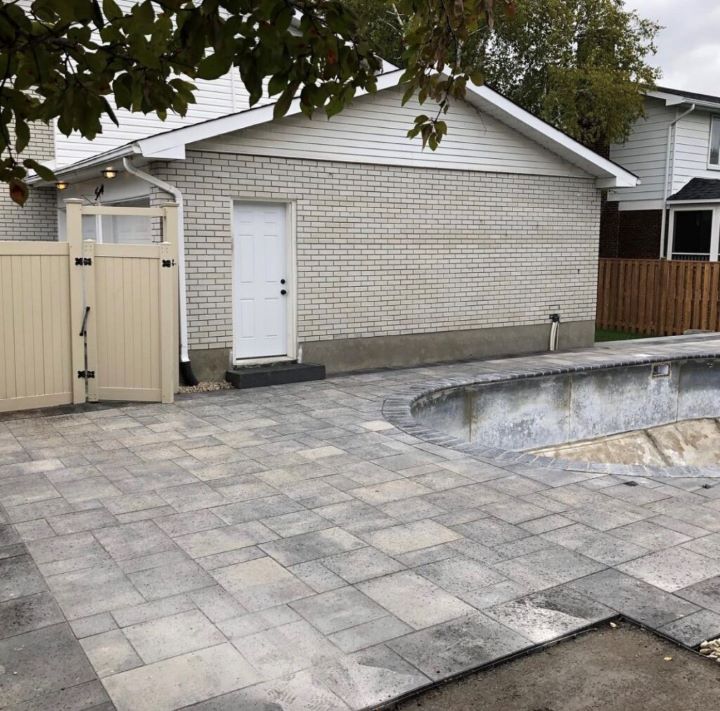
A critical step in the process is proper excavation and base preparation. Removing organic material and compacting the subgrade ensures that patios, driveways, and walkways remain stable over time. Installing geotextile fabrics between soil and base layers prevents weed growth and further stabilizes the structure.

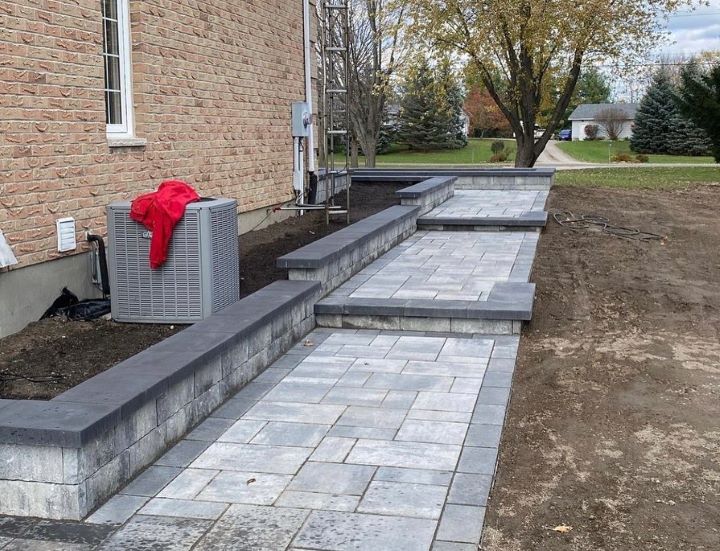
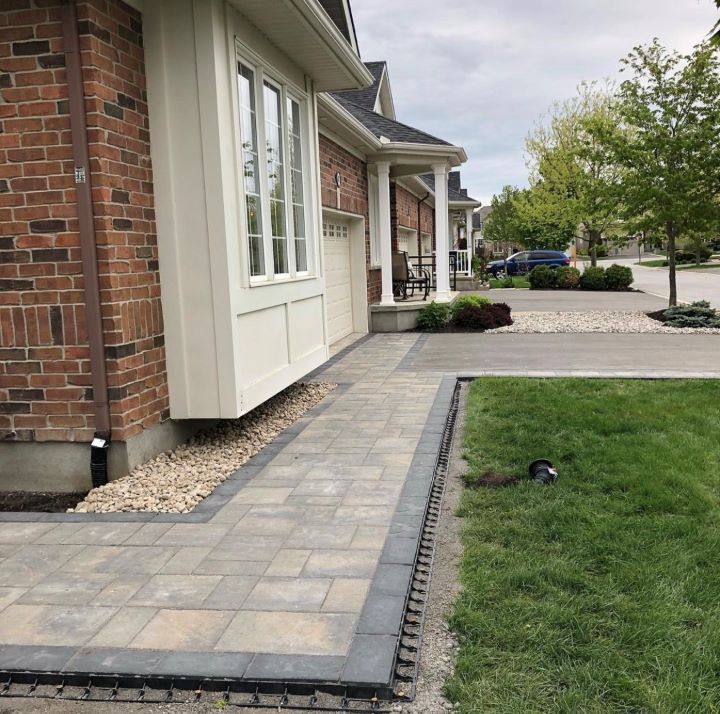
Attention to detail is key. Edging materials, such as steel or concrete, provide clean lines and prevent shifting of pavers and stones. When constructing retaining walls, using appropriate drainage pipes and backfill materials is vital for structural integrity. These techniques not only enhance the appearance of outdoor spaces but also increase their lifespan.

For a comprehensive overview of the construction process, the From Blueprint to Bloom: Step-by-Step Landscape Construction Guide is an invaluable resource. By following best practices and leveraging professional expertise, you can ensure your investment in landscape construction pays off for many years.

Expert Landscape Construction Techniques for Durable Outdoor Spaces in Ottawa, Ontario

Expert landscape construction techniques are the foundation of any long-lasting outdoor environment. One of the most effective approaches is phased construction, which allows for careful planning and adaptation as the project progresses. By dividing the work into stages—such as grading, hardscaping, and planting—professionals can address challenges as they arise and ensure each element is installed correctly.

Another advanced technique involves the use of permeable paving systems. These systems allow water to filter through the surface, reducing runoff and minimizing the risk of flooding. Permeable pavers are especially beneficial in commercial settings, where large paved areas can otherwise contribute to drainage issues.

Incorporating sustainable practices, such as rain gardens and native plantings, enhances both the durability and environmental impact of outdoor spaces. Native plants are adapted to local conditions, require less maintenance, and provide habitat for pollinators. Combining these elements with sturdy hardscapes creates a balanced, resilient landscape that thrives in the local climate.

By mastering these expert techniques, property owners and developers in this community can create outdoor spaces that are not only beautiful but also built to last.

Choosing Materials for Lasting Results

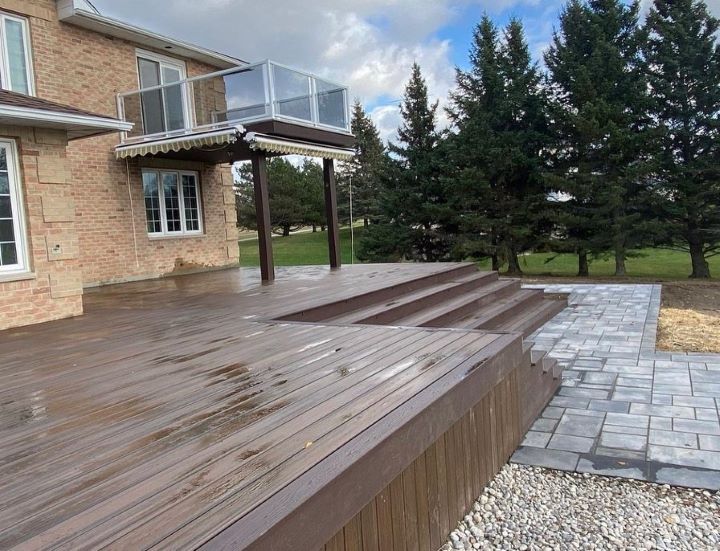
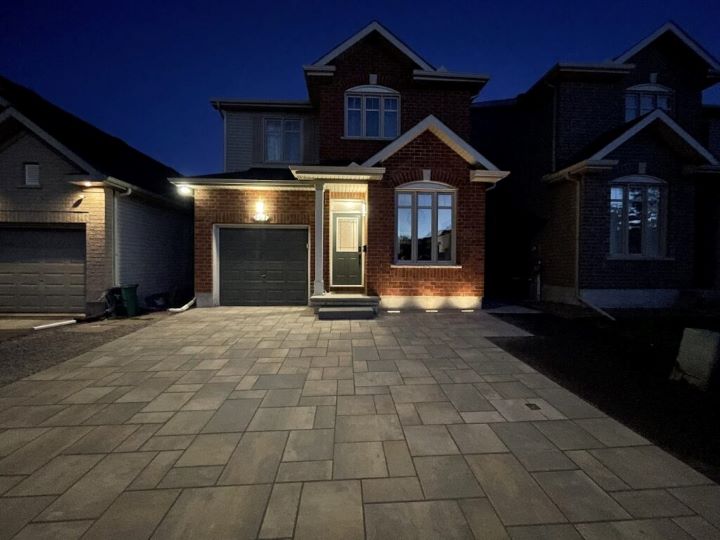
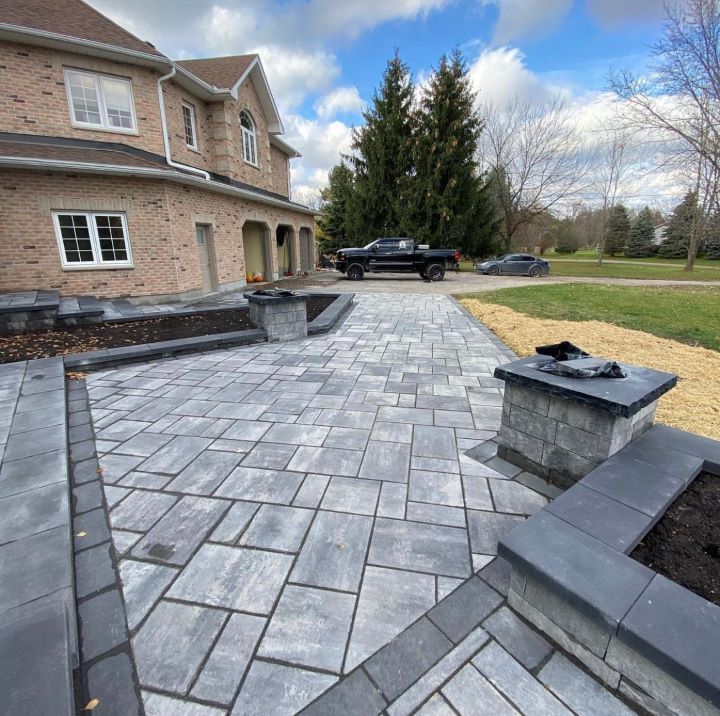
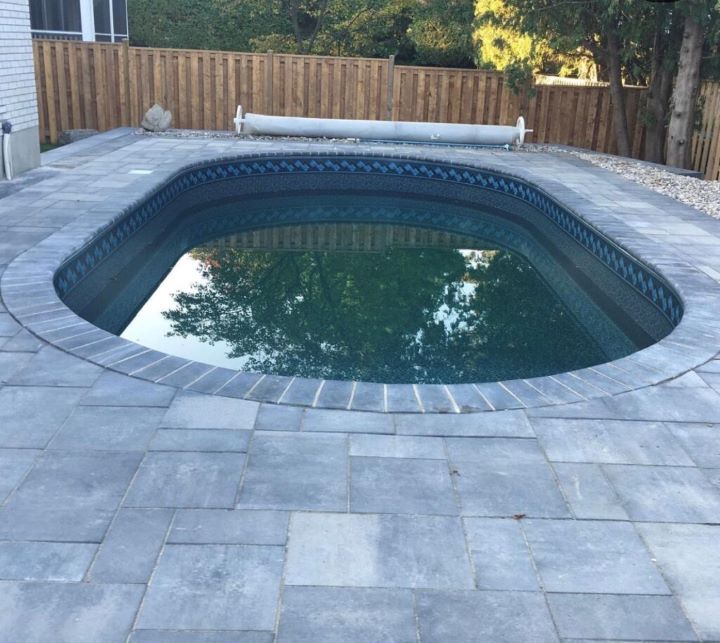
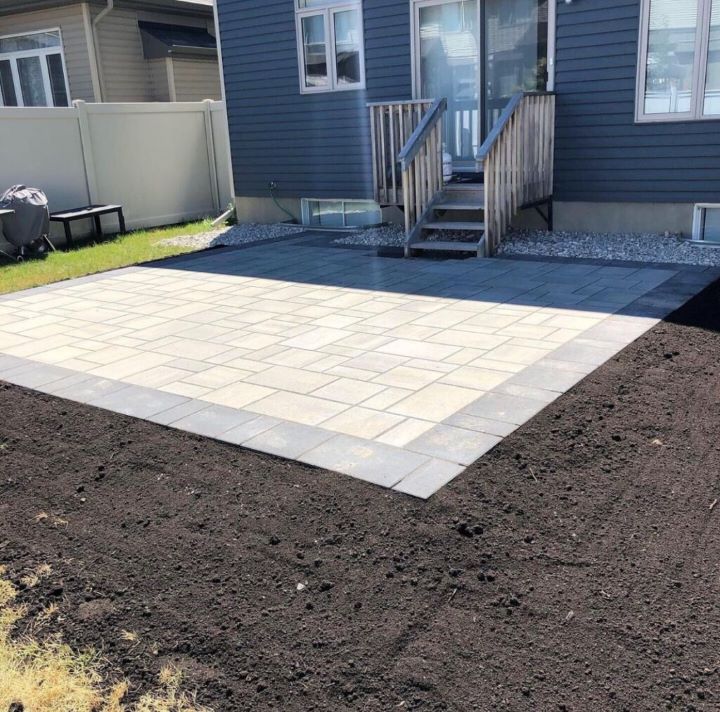
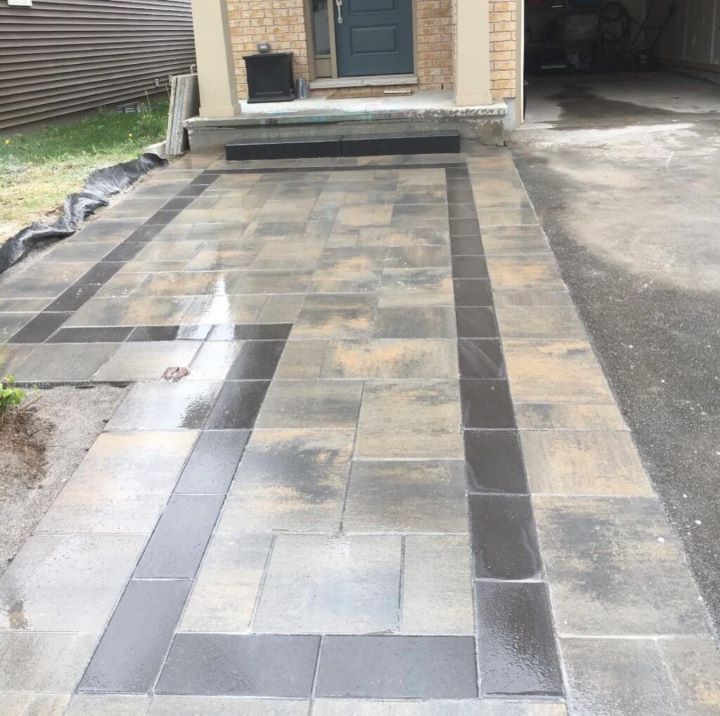
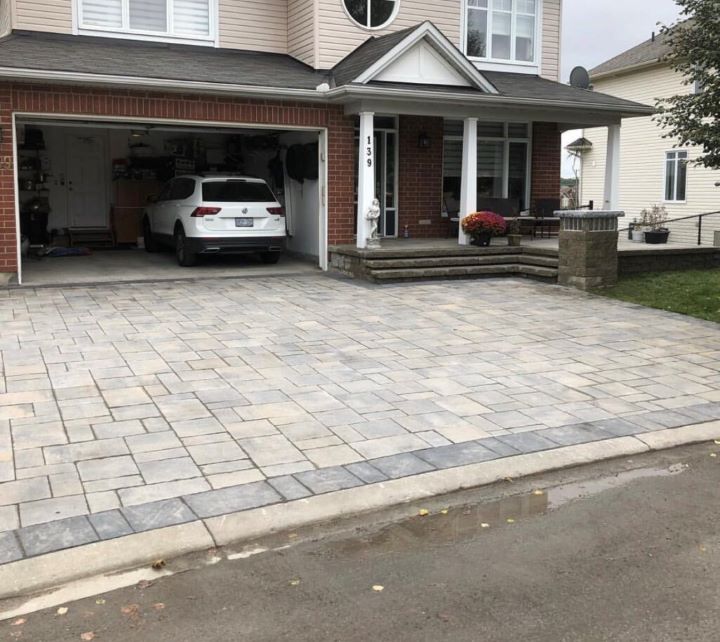
Selecting the right materials is a cornerstone of mastering landscape construction. Durability, appearance, and maintenance requirements all play a role in the decision-making process. For hardscapes, options like interlocking concrete pavers, natural stone, and poured concrete offer strength and versatility. Each material has its own benefits: concrete pavers are easy to replace if damaged, natural stone provides a timeless look, and poured concrete can be customized with textures and colors.

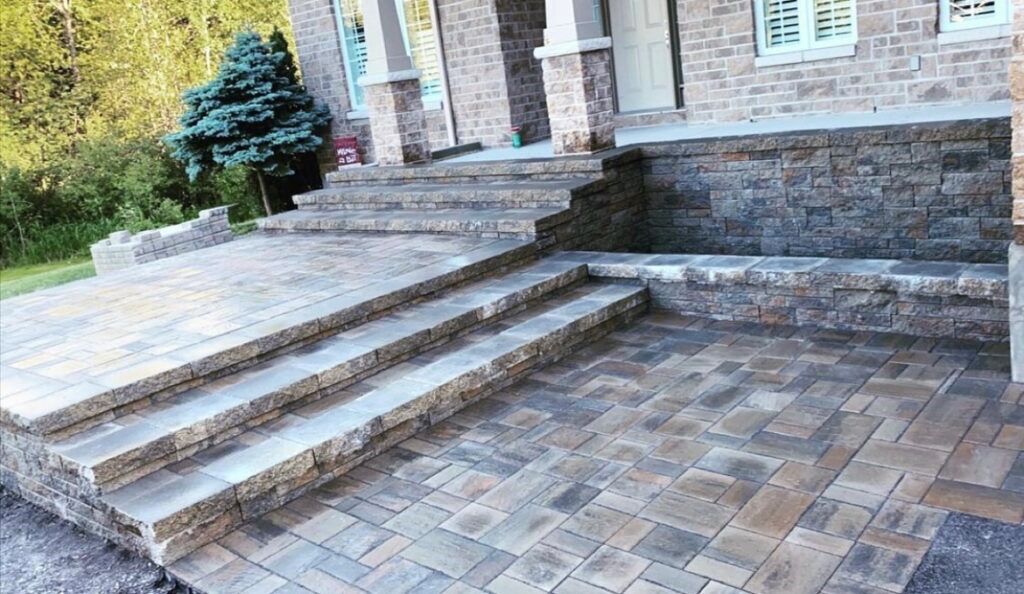
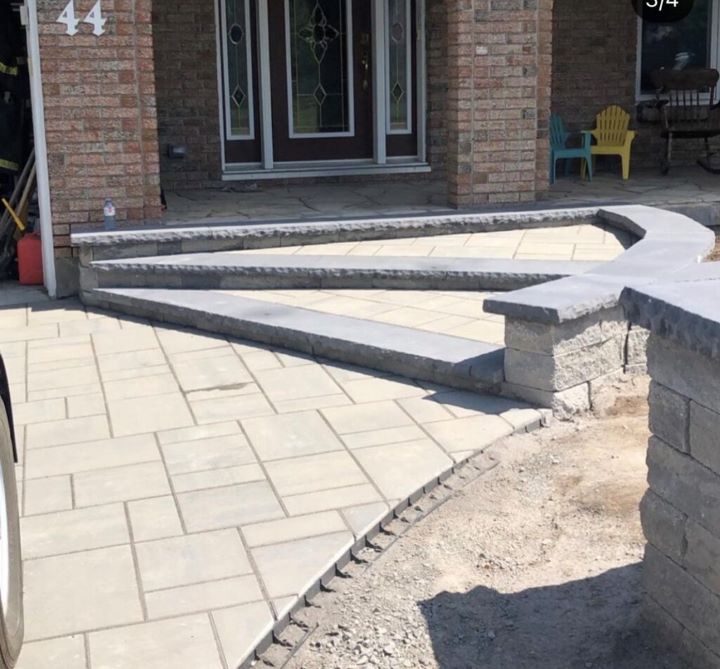
For retaining walls, materials such as concrete blocks, natural stone, and timber are popular choices. Concrete blocks are engineered for strength and stability, while natural stone blends seamlessly with the environment. Timber, though less durable over decades, can be treated for increased longevity and is often used for raised garden beds or decorative features.

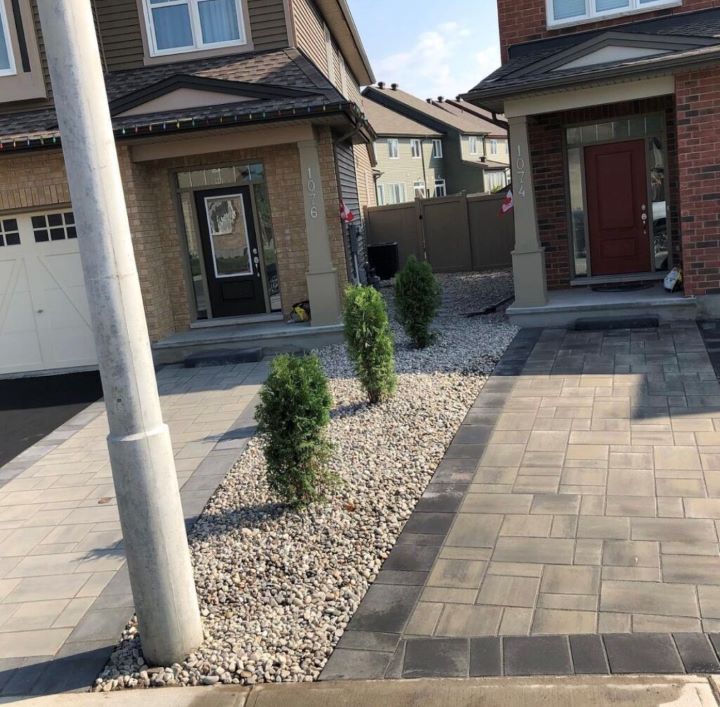
Softscape elements like mulch, decorative gravel, and native plants contribute to both aesthetics and resilience. Mulch helps retain soil moisture and suppress weeds, while gravel provides excellent drainage around plantings. Choosing native plants ensures that your landscape thrives with minimal intervention, reducing the need for fertilizers and pesticides.

Ultimately, the best material choices balance beauty, function, and long-term performance, ensuring your outdoor space remains inviting and robust year after year.

The Role of Drainage and Grading in Outdoor Spaces

Proper drainage and grading are essential for the longevity of any outdoor environment. Without effective water management, even the most beautifully constructed landscapes can suffer from erosion, pooling, and structural damage. The first step is grading the site to direct water away from buildings and toward designated drainage areas. This prevents water from collecting near foundations or on walkways, reducing the risk of damage over time.

Incorporating features such as French drains, swales, and dry creek beds can further enhance drainage. French drains use perforated pipes surrounded by gravel to channel water away from problem areas. Swales are shallow, vegetated channels that slow and filter runoff, while dry creek beds add visual interest and functionality. These solutions are especially important in regions with heavy rainfall or clay-heavy soils, which can impede natural drainage.

Professional landscape construction teams often use laser levels and grading equipment to achieve precise slopes. This attention to detail ensures that water flows as intended, protecting both hardscape and softscape elements. By prioritizing drainage and grading, you safeguard your investment and create an outdoor space that remains safe and attractive through every season.

Innovative Hardscape Solutions for Commercial Properties

Commercial properties often require innovative hardscape solutions to accommodate high foot traffic, accessibility needs, and aesthetic goals. Mastering landscape construction for these spaces involves more than just durability—it’s about creating inviting, functional environments that reflect the brand and purpose of the business.

One trend gaining popularity is the use of modular paving systems. These allow for quick installation, easy repairs, and creative patterns that can define walkways, plazas, and seating areas. Permeable pavers are also increasingly used to manage stormwater runoff and meet environmental regulations.

Incorporating features like outdoor seating, planters, and lighting enhances usability and safety. Raised planters can define spaces and add greenery without compromising walkways. Integrated lighting not only improves visibility at night but also highlights architectural features and landscaping details.

For businesses, investing in high-quality hardscapes pays off through reduced maintenance costs and improved customer experience. By staying ahead of trends and focusing on durability, commercial property owners can create outdoor spaces that attract and retain visitors.

Sustainable Landscape Construction Practices

Sustainability is becoming a central focus in landscape construction. By adopting eco-friendly practices, property owners can reduce environmental impact while creating healthier, more resilient outdoor spaces. One key strategy is the use of recycled and locally sourced materials, which minimizes transportation emissions and supports the local economy.

Water conservation is another important consideration. Installing drip irrigation systems, rain barrels, and drought-tolerant plantings reduces water usage and maintenance needs. Permeable paving and rain gardens help manage stormwater naturally, filtering pollutants and replenishing groundwater supplies.

Choosing native plants is both sustainable and practical. These species require less water, fertilizer, and pest control, making them ideal for low-maintenance landscapes. Additionally, they provide habitat for local wildlife, enhancing biodiversity in the neighborhood.

By integrating sustainable practices into every phase of landscape construction, property owners contribute to a healthier environment and enjoy outdoor spaces that are both beautiful and enduring.

Maintenance Tips for Long-Lasting Outdoor Spaces

Even the most expertly constructed landscapes require ongoing maintenance to preserve their appearance and functionality. Regular inspections of hardscape elements—such as patios, walkways, and retaining walls—can identify minor issues before they become major repairs. Cleaning surfaces, re-leveling pavers, and resealing joints extend the life of these features.

For softscape areas, seasonal mulching, pruning, and fertilization keep plants healthy and vibrant. Removing debris from drainage systems ensures water flows freely and prevents erosion. Irrigation systems should be checked for leaks and adjusted to match seasonal needs, conserving water and promoting plant health.

A proactive maintenance plan not only protects your investment but also enhances the enjoyment of your outdoor space. By addressing small issues promptly and following best practices, you ensure that your landscape continues to thrive year after year.

Comparing Landscape Construction Techniques and Materials

Choosing the right construction techniques and materials is critical for achieving both durability and visual appeal. The table below compares some of the most common options used in professional landscape construction, highlighting their advantages and ideal applications.

Technique/Material Advantages Best Use
Interlocking Pavers Durable, easy to repair, wide variety of styles Patios, walkways, driveways
Natural Stone Timeless look, blends with natural surroundings Retaining walls, garden borders
Permeable Paving Reduces runoff, eco-friendly Parking lots, pathways
Concrete Blocks Engineered strength, modular design Retaining walls, raised planters
Native Plants Low maintenance, supports biodiversity Garden beds, borders

This comparison can help property owners and developers make informed decisions when planning new outdoor spaces or upgrading existing ones. The right combination of techniques and materials is the key to mastering landscape construction and achieving lasting results.

Conclusion: Bringing Your Vision to Life

Mastering landscape construction is about more than just building—it’s about creating outdoor spaces that endure, inspire, and add value to any property. By focusing on essential techniques, choosing the right materials, and embracing sustainable practices, you can transform any space into a lasting asset. Whether you’re a small business owner, developer, or property manager, investing in quality landscape construction pays dividends in beauty, functionality, and resilience.

Remember, every project is unique. Assess your site carefully, work with experienced professionals, and prioritize long-term performance over short-term savings. With the right approach, your outdoor space will not only meet today’s needs but also adapt gracefully to the challenges of tomorrow. Embrace the journey of mastering landscape construction, and enjoy the rewards of a durable, welcoming environment for years to come.

Scroll to Top