

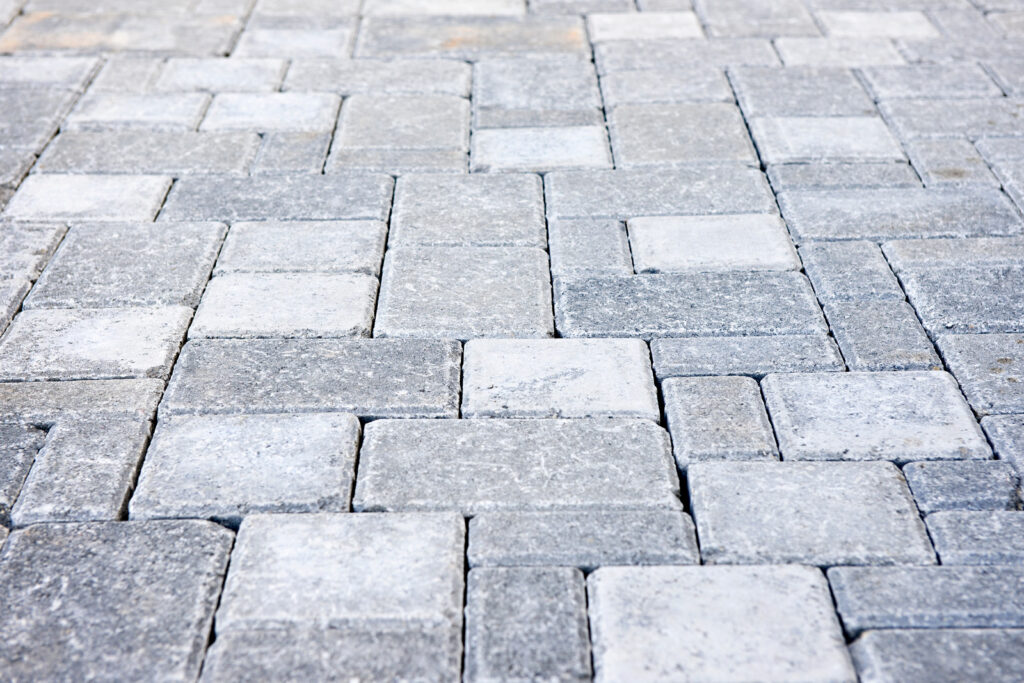
Ottawa’s freeze-thaw cycle is brutal on outdoor surfaces. Poured concrete that looks fine in September can be cracked and heaving by April. Asphalt softens in summer heat and deteriorates under repeated freeze cycles. Homeowners who’ve been through a few Ottawa winters know this firsthand. That’s a big part of why Interlock Installation Ottawa has grown so consistently as a preferred choice for driveways, patios, and walkways. Interlocking pavers in Ottawa aren’t a trend. They’re a practical response to a climate that demands flexibility, durability, and surfaces that can be repaired without tearing everything out and starting over. This guide covers how interlock actually works, why it outperforms alternatives in Ottawa’s conditions, what the installation process involves, and what homeowners need to know before signing a contract. Practical information, not a sales pitch.
Why Interlock Works So Well in Ottawa’s Climate
The core advantage of interlocking pavers in Ottawa isn’t aesthetic although that matters too. It’s structurally flexible. When the ground freezes, it expands. When it thaws, it contracts. A solid, monolithic surface like poured concrete has nowhere to go when this happens repeatedly over decades. It cracks. It heaves. Sections sink unevenly. That’s not a quality problem, it’s physics. Interlocking pavers work differently. Each unit is individual. The system moves as ground shifts, distributing stress across the jointing sand rather than concentrating it in one spot until something breaks. After an unusually harsh freeze-thaw cycle, a properly installed interlock surface largely returns to its original position. A concrete slab with the same stress history is cracked.
Truth be told, that single characteristic flexibility without failure is why experienced outdoor hardscaping Ottawa contractors consistently recommend interlock for driveways and patios in this region.
Interlock vs. Concrete vs. Asphalt: An Honest Comparison
The question comes up constantly: is driveway interlock installation actually better than concrete, or just more expensive? Here’s the comparison without the spin:
| Factor | Interlock Pavers | Poured Concrete |
| Freeze-thaw performance | Flexes individually — resists heaving | Prone to cracking from ground movement |
| Repairability | Individual pavers replaced as needed | Patches are visible and rarely match |
| Upfront cost | Higher initial investment | Lower upfront cost |
| Aesthetics | Wide range of colours, patterns, styles | Limited finish options |
| Longevity | 25–30+ years with maintenance | 15–20 years typical in Ottawa |
| Drainage | Permeable options available | Surface runoff standard |
| Maintenance | Periodic re-sanding and sealing | Crack sealing, resurfacing |
Asphalt falls somewhere in the middle lower upfront cost than both, but it softens in heat, requires resurfacing every 5–7 years, and offers no aesthetic flexibility. For Ottawa driveways specifically, the freeze-thaw performance of interlocking pavers makes the investment difference meaningful over a 20-year horizon.
Where Interlock Makes the Most Sense
Not every outdoor surface is an equal candidate for interlock. Here’s where paver installation Ottawa delivers the clearest value:
- Driveways. The highest-impact use case. Driveway interlock handles vehicle weight, oil exposure, and Ottawa winters well. A properly installed interlock driveway adds immediate curb appeal and long-term durability.
- Patios. Patio interlocking stone creates a finished outdoor living space that doesn’t crack or slab unevenly over time. Pattern and colour options allow for genuinely custom designs.
- Walkways and front entries. A well-designed interlock walkway is the first thing visitors see. More durable than poured concrete in freeze-thaw conditions and far more visually flexible.
- Pool surrounds. Slip-resistant paver options, drainage flexibility, and easy individual replacement if a paver shifts or cracks make interlock a natural fit for pool deck areas.
- Retaining wall integration. Many Ottawa properties use interlock pavers in combination with interlock retaining walls for grading changes and garden bed borders, creating a cohesive hardscape aesthetic.
Let’s face it, the combination of durability and design flexibility is what keeps homeowners choosing interlock over alternatives, even at a higher upfront investment.
The Interlock Installation Process: Step by Step
Understanding how Interlock Installation Ottawa actually works helps homeowners evaluate contractor quotes and spot shortcuts that will cause problems down the road. The base is everything. Cut corners there and no amount of good-looking surface work will compensate.
| 1 | Site Assessment and DesignA proper installation starts with a site visit. The contractor assesses drainage patterns, existing grade, soil conditions, and any utilities that need to be located before excavation. Pattern, colour, and border design are finalised at this stage. Skipping this step or doing it over the phone is a red flag. |
| 2 | ExcavationThe existing surface is removed and soil is excavated to the required depth — typically 300 to 450 mm for driveways, less for pedestrian areas. Depth matters. Insufficient excavation means inadequate base thickness, which means movement, settling, and premature failure. |
| 3 | Granular Base Installation and CompactionA crushed stone granular base (Granular A or B depending on application) is installed in layers and mechanically compacted. This is the most critical phase. The base must be compacted in lifts not dumped in at full depth and compacted once. Multiple passes with a plate compactor at each lift are non-negotiable for a stable result. |
| 4 | Bedding Sand LayerA 25 to 40 mm layer of coarse bedding sand is screeded to a precise, even depth across the prepared base. This provides the final levelling surface for paver placement and allows minor adjustments. Portland cement is sometimes added for added stability in high-load areas. |
| 5 | Paver InstallationPavers are laid in the planned pattern, working from a straight edge or string line. Cuts are made with a masonry saw for edges and tight spaces. Edge restraints are installed around the perimeter to prevent lateral movement of the field pavers over time. |
| 6 | Jointing Sand and CompactionPolymeric sand is swept into the joints between pavers and the entire surface is compacted with a plate compactor (with a protective pad). The polymeric sand is then activated with water, hardening into the joints to resist weed growth and ant intrusion. This final compaction also seats the pavers firmly into the bedding sand. |
The full process for a standard driveway typically takes two to four days, depending on size and complexity. Any quote promising a same-day or next-day full driveway installation deserves serious scrutiny.
Interlock Repair and Maintenance: What to Expect Long-Term
One of the undersold advantages of interlocking pavers in Ottawa is repairability. Unlike concrete or asphalt, a section of interlock that settles, shifts, or sustains damage can be lifted, the base corrected, and the original pavers reset often invisibly.
Routine interlock repair and maintenance for Ottawa surfaces includes:
- Re-sanding joints every 3–5 years as polymeric sand wears or erodes
- Sealing the surface every 2–3 years to protect colour and resist staining (optional but recommended)
- Resetting any pavers that have shifted or settled due to ground movement
- Addressing edge restraint failure early loose edges allow lateral spread of the entire field
- Removing weeds promptly if they establish in joints mature weed roots can displace pavers
After all, a small maintenance investment every few years is considerably less disruptive and less expensive than replacing a cracked concrete driveway.
What to Look for in an Ottawa Interlock Contractor
The quality of patio interlocking stone or driveway interlock work is almost entirely determined by the contractor doing it. The materials are standardized. The base preparation, compaction technique, and attention to drainage and grading are what separate a 25-year installation from one that needs resetting in five.
When evaluating outdoor hardscaping Ottawa contractors:
- Ask to see completed projects in similar Ottawa neighbourhoods and visit them in person if possible
- Ask specifically about base depth and compaction methodology any reputable contractor can answer this confidently
- Confirm the quote includes edge restraints, polymeric sand, and all compaction passes
- Get a written contract with material specifications, drainage plan, and timeline
- Check reviews on Google and Houzz specifically for Ottawa interlock projects not just aggregate star ratings
A low quote that doesn’t mention base depth or compaction methodology is almost always a low quote for a reason.
Frequently Asked Questions
How much does interlock installation cost in Ottawa?
Interlock Installation Ottawa costs typically range from $20 to $35+ per square foot installed, depending on the project scope, paver style, and site conditions. A standard driveway of 50–70 square metres can range from $12,000 to $25,000+. Always get at minimum two to three written quotes that specify base depth, materials, and inclusions before making a decision.
How long does interlocking stone last?
When properly installed with an adequate compacted granular base, interlocking pavers Ottawa can last 25 to 30+ years in Ottawa’s freeze-thaw climate. Individual pavers themselves rarely fail the base preparation is the determining factor in longevity. Routine maintenance including joint re-sanding and periodic sealing extends the surface life significantly beyond that baseline.
Is interlock better than concrete for driveways?
For Ottawa specifically, driveway interlock installation generally outperforms poured concrete over time. Concrete is prone to cracking and heaving through repeated freeze-thaw cycles. Interlock flexes as ground moves and can be repaired section by section without full replacement. The upfront cost is higher, but the 25+ year lifespan and repairability typically make it more cost-effective long-term.
What is the process of installing interlock?
Professional paver installation Ottawa involves six key stages: site assessment and design, excavation to proper depth, granular base installation with mechanical compaction in lifts, screeding a bedding sand layer, laying and cutting pavers to pattern, then finishing with polymeric sand swept into joints and final compaction. Base preparation and compaction are the most critical phases for long-term stability.