

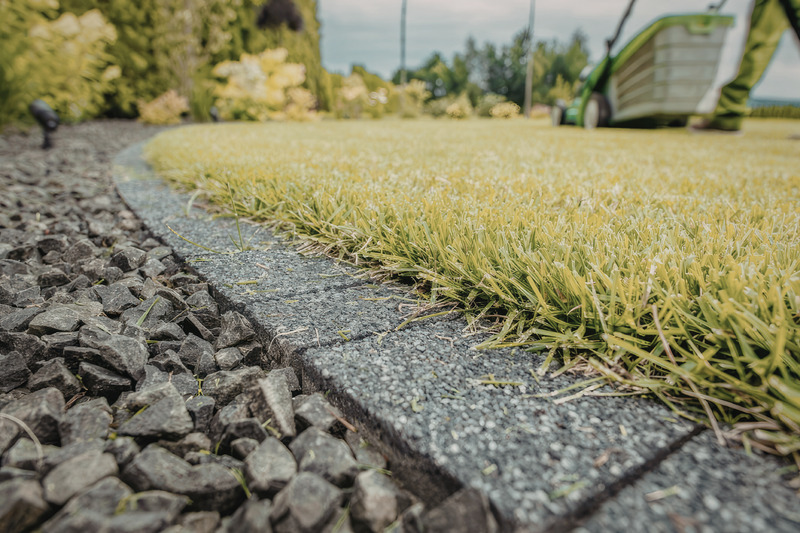
Stone has been used to define outdoor spaces for centuries. There’s a reason for that. It doesn’t rot. It doesn’t warp. It doesn’t need painting. And when chosen properly for the climate it’s going into, it lasts longer than almost any other landscape material available. For Ottawa homeowners specifically, choosing the right Landscaping Stone Ottawa material isn’t just an aesthetic decision, it’s a practical one. Ottawa’s freeze-thaw cycle, clay-heavy soils, and wide temperature swings between seasons eliminate a lot of materials from serious consideration. The stone choices that look good at a supplier’s yard aren’t always the ones that hold up after five Ottawa winters. This guide covers the stone types that actually perform in Ottawa’s conditions, where they work best, how natural stone Ottawa compares to manufactured alternatives, and what maintenance actually looks like over the long term. Practical. Specific. No stock-photo generalisation.
Why Stone Choice Matters More in Ottawa Than Most Places
Let’s face it, not every stone behaves the same way when water gets into it, freezes, and expands. That’s the reality of Ottawa’s climate from November through March. A stone with high porosity absorbs moisture, freezes internally, and spalls meaning the surface chips and breaks apart sometimes within just a few seasons. This is why the landscape materials Ottawa market skews heavily toward dense, low-porosity stones. Granite. Quartzite. Certain limestones and basalts. These materials absorb minimal water and perform through repeated freeze-thaw cycles without degrading. Lower-density stones, certain sandstones, some decorative imports may look beautiful in the showroom and struggle in an Ottawa January.
The other Ottawa-specific factor is ground movement. Clay soils shift significantly with seasonal temperature changes. Outdoor stone design that doesn’t account for movement, whether through proper base preparation, flexible installation methods, or dry-stacking techniques, will shift, crack, and fail faster than the stone itself would suggest. Truth be told, the best decorative stone landscaping in Ottawa is always stone chosen for performance first and aesthetics second. The good news: performance-grade stone in this region is also genuinely beautiful.
The Best Stone Types for Ottawa Landscapes
Not every stone supplier frames their inventory this way, but Ottawa homeowners benefit from understanding what each material actually does in this climate before committing to a project.
| 🪨 Granite |
| Best for: Driveways, steps, retaining walls, and high-traffic pathwaysDurability: Exceptional. Dense, low porosity, freeze-thaw resistant for generations.Style fit: Sleek contemporary to rugged natural, wide style range depending on finish |
| 🧱 Limestone |
| Best for: Retaining walls, garden borders, flagging, and natural pathwaysDurability: Good to excellent depending on density. Select dense varieties for Ottawa; avoid soft limestone.Style fit: Classic, warm, old-world character, pairs well with traditional Ottawa architecture |
| ⚪ Quartzite |
| Best for: Flagstone patios, stepping stone paths, and feature wallsDurability: Very high. Extremely dense and resistant to freeze-thaw damage.Style fit: Cool grey tones with natural variation, suits both modern and traditional designs |
| 🪨 Armour Stone / Fieldstone |
| Best for: Retaining walls, large garden features, and naturalistic bordersDurability: Excellent. Large-format stone handles Ottawa’s ground movement particularly well.Style fit: Bold, naturalistic, and highly visible, makes strong design statements in the landscape |
| 🔵 River Rock and Pea Gravel |
| Best for: Drainage beds, ground cover, and decorative fill zonesDurability: Very high, rounded stones have no edges to spall and shed water naturally.Style fit: Casual and natural, best used as accent material rather than primary hardscape |
Where Each Stone Application Makes the Most Sense
Different applications call for different stone types, sizes, and installation methods. Here’s where natural stone Ottawa materials shine across the most common residential projects:
- Garden stone features. Decorative boulders, stepping stone paths, dry-stack garden borders, and water feature surrounds. River rock and fieldstone are common choices. The goal is natural integration with the planted landscape rather than engineered precision.
- Retaining wall stone. Armour stone and limestone block dominate Ottawa retaining wall construction. Large-format stone handles soil pressure and frost movement better than stacked smaller units. Engineer involvement is recommended for walls over one metre in height.
- Flagstone patios. Quartzite and dense limestone cut into irregular or regular flagging pieces create some of the most visually striking outdoor stone design Ottawa has to offer. Set on a properly compacted granular base with polymeric sand joints to allow movement.
- Pathway and stepping stone installations. Granite and quartzite stepping stones set into gravel or lawn are both functional and attractive. Irregularly shaped natural flags create a more organic feel; cut slabs create clean, contemporary lines.
- Decorative stone landscaping areas. Pea gravel and river rock used as ground cover in planting beds reduces weeding, improves drainage, and adds visual texture between plants and structural elements.
Natural Stone vs. Concrete Block: The Real Comparison
Concrete landscaping blocks are widely available, consistent in size, and less expensive upfront. Natural stone Ottawa costs more per unit but performs differently over time. Here’s the honest comparison:
| Factor | Natural Stone | Concrete Block |
| Aesthetic appeal | Unique, warm, ages beautifully | Uniform, manufactured look |
| Freeze-thaw durability | Excellent, dense stone resists cracking | Can spall and crack over time |
| Upfront cost | Higher per unit | Lower initial cost |
| Longevity | Generations with minimal care | 15–25 years typical |
| Colour stability | Weathers naturally, holds character | Fades, bleaches over years |
| Repairability | Matching pieces easy to source | Exact matches hard to find later |
| Environmental profile | Quarried, natural material | Carbon-intensive production |
The upfront cost difference is real. For a large retaining wall or extensive patio, natural stone can cost 30–60% more than an equivalent concrete block. But the longevity gap is equally real. Natural stone that’s properly installed doesn’t need to be replaced within the typical homeownership window. Concrete blocks often do. After all, the question isn’t just what it costs today, it’s what it costs across 20 years of Ottawa winters.
Retaining Wall Stone: A Special Category
Retaining walls deserve specific attention because the stakes are higher. A failing retaining wall isn’t just an aesthetic problem, it’s a structural one. Soil moves. Drainage behind the wall creates hydrostatic pressure. Frost heave acts on both the wall face and the soil behind it.
Good retaining wall stone for Ottawa applications:
- Is large enough to resist overturning from soil pressure armour stone and large limestone blocks perform best
- Is installed with proper batter (backward lean) to resist overturning
- Has drainage provisions behind the wall typically a gravel drainage layer and perforated pipe to prevent hydrostatic pressure buildup
- Uses geotextile fabric to prevent soil migration into the drainage layer over time
Smaller decorative stone stacked to create garden borders and low-rise features is different dry-stacking works well there. But anything functional and load-bearing needs proper engineering and appropriate material selection. This is where landscape materials Ottawa suppliers with experienced staff can make a meaningful difference in pointing homeowners toward the right choice.
Maintaining Landscaping Stone in Ottawa’s Climate
The maintenance requirements of natural stone are genuinely low compared to almost any other landscape surface. But low doesn’t mean zero. Here’s what actually needs doing:
| 1 | Annual Inspection After Spring ThawWalk the stone features after the ground fully thaws in April. Note any movement, settling, or displacement caused by frost heave. Most minor movement resolves on its own; stones that have shifted significantly need to be reset before the displacement compounds over subsequent seasons. |
| 2 | Joint Sand ReplenishmentFlagstone patios and pathways set with polymeric sand joints need inspection every two to three years. Rainfall, freeze-thaw cycles, and ant activity gradually erode joint material. Sweep in fresh polymeric sand and activate with water before the joints become loose enough to allow paver movement. |
| 3 | Weed ManagementWeeds establish in joints and between stones over time, especially in areas with inconsistent shade. Hand-pulling or targeted spot herbicide treatment in late spring and early summer keeps this manageable. Avoid systemic herbicides near garden planting beds. |
| 4 | Sealing (Optional but Recommended)Sealing natural stone every three to five years reduces staining, slows efflorescence (white mineral deposits on the stone face), and makes cleaning easier. Use a penetrating sealer appropriate for the specific stone type — a sealant for granite is not necessarily appropriate for limestone. |
| 5 | Moss and Algae RemovalShaded stone surfaces in Ottawa’s damp spring and fall conditions can develop moss or algae growth. A diluted bleach solution or commercially available stone cleaner applied and rinsed removes growth without damaging the stone. Improving drainage or increasing light exposure addresses the underlying cause. |
The reality of decorative stone landscaping maintenance in Ottawa is one or two hours per season for most residential installations. That’s the genuine ongoing commitment required to keep a well-installed stone feature looking the way it did on day one.
Frequently Asked Questions
What are the best landscaping stones for Ottawa homes?
For Ottawa’s freeze-thaw climate, the most reliable Landscaping Stone Ottawa choices are granite, quartzite, and dense limestone for high-traffic and structural applications. Armour stone and fieldstone work well for retaining walls and garden features. River rock and pea gravel suit drainage beds and decorative fill. Always prioritise low-porosity stone that resists freeze-thaw spalling over softer decorative imports.
How much does landscaping stone cost?
Costs vary significantly by stone type and project scope. Basic river rock and pea gravel run from $50 to $120 per tonne. Flagstone and quartzite range from $150 to $400+ per square metre installed. Armour stone retaining walls typically start at $200–$350 per linear foot installed. Natural stone Ottawa suppliers provide quotes by the tonne or project always get written estimates including base preparation and delivery.
Is natural stone better than concrete blocks?
For Ottawa specifically, natural stone Ottawa generally outperforms concrete blocks over a 15–25 year period. Dense natural stones resist freeze-thaw spalling better, age more gracefully, and typically last longer than manufactured concrete alternatives. Concrete block has a lower upfront cost and is easier to source in uniform sizes, making it a reasonable budget option but the longevity gap is real and worth factoring into the decision.
How do you maintain landscaping stone?
Outdoor stone design in Ottawa requires minimal but consistent maintenance. Inspect stone features annually after spring thaw for frost heave movement. Replenish polymeric sand joints in flagstone areas every two to three years. Remove weeds before root systems disturb stone placement. Optional sealing every three to five years protects against staining and mineral deposits. Moss and algae on shaded surfaces can be treated with diluted stone cleaner.