

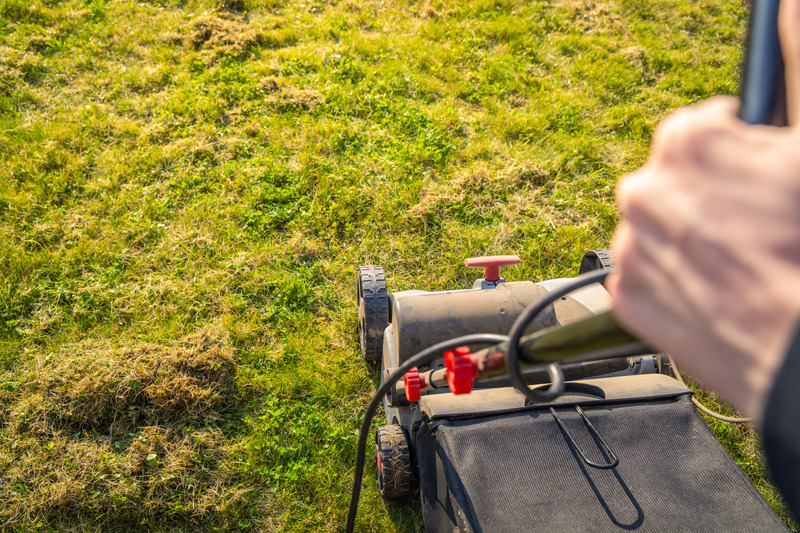
There’s a specific kind of frustration that comes with putting genuine effort into a lawn watering it, fertilising it, keeping the weeds down and still watching it look patchy, thin, and tired by midsummer. Most homeowners in that situation assume the grass type is wrong, or the soil is just bad, or it needs more fertilizer. Usually, the real problem is simpler. The soil is compacted. Nothing gets through. Water pools on the surface instead of soaking in. Roots can’t go deep. Fertiliser sits in the top layer without reaching where it matters. That’s where Lawn Aeration Ottawa becomes the most important treatment most homeowners aren’t doing. This guide explains what compaction actually does to turf, why core aeration Ottawa is the most effective single treatment for Ottawa lawns, how to time it properly for this climate, and what to pair it with for the best results. No fluff, just what actually works and why.
What Soil Compaction Does to a Lawn
Compaction happens gradually and invisibly. Heavy foot traffic, repeated freeze-thaw cycles, and the weight of lawn equipment all press soil particles tighter together over time. The air pockets between particles, essential for root growth, water infiltration, and microbial activity, get squeezed out.
The consequences show up in the grass, not the soil. Soil compaction lawn damage looks like:
- Grass that thins out progressively despite adequate watering and feeding
- Hard, dry surface soil that water beads off rather than penetrating
- Bare patches that don’t fill in even after overseeding
- Turf that goes brown and stressed quickly during summer dry spells
- Moss establishing in low-traffic areas, a classic sign of compacted, poorly drained soil
- Weeds outcompeting grass, many weed species tolerate compaction better than turf grasses
Truth be told, Ottawa’s specific soil conditions make compaction worse than in many other regions. Much of the Ottawa Valley sits on heavy clay-based soil, which compacts more severely than sandy or loam-based soil and holds its compaction longer. Add the annual freeze-thaw cycle and the problem compounds every single year without intervention.
How Core Aeration Actually Works
Core aeration is exactly what it sounds like. A machine fitted with hollow tines is driven across the lawn, punching out small cylindrical plugs of soil typically, 50 to 75 mm deep and about 12 to 15 mm in diameter at regular intervals across the entire surface.
Those holes do several things simultaneously:
| 💧 | Improved Water InfiltrationWater enters the profile directly rather than running off the compacted surface. Deep watering becomes possible for the first time in years on heavily compacted lawns, reaching roots that have been growing shallow out of necessity. |
| 🍃 | Lawn OxygenationAir reaches the root zone. Grass roots require oxygen for cellular function and growth. Compacted soil suffocates roots at a cellular level — lawn oxygenation through aeration directly reverses this, stimulating root activity that had effectively stalled. |
| 🌱 | Grass Root Growth ImprovementWith compaction relieved, roots have room to extend downward. Grass root growth improvement after aeration is measurable within a single growing season. Deeper roots mean better drought tolerance, better disease resistance, and stronger overall turf density. |
| 🪨 | Fertiliser and Amendment AbsorptionNutrients applied after aeration can move directly into the soil profile rather than sitting in the thatch layer or running off. Fertiliser efficiency improves significantly, meaning the same application produces better results. |
| 🌾 | Thatch BreakdownThe soil plugs left on the surface after aeration contain microorganisms that accelerate thatch decomposition. Plugs break down within two to three weeks, returning organic matter to the lawn without any additional intervention. |
When to Aerate a Lawn in Ottawa
Timing matters. Aerating at the wrong time of year either wastes the treatment or actively stresses the lawn. For Ottawa’s cool-season turf grasses, Kentucky bluegrass, perennial ryegrass, and fine fescues that dominate residential lawns in the region, the optimal window for lawn care treatment Ottawa aeration is early to mid-September.
Here’s why September specifically:
- Soil temperatures remain warm (above 10°C) while air temperatures are cooling, ideal conditions for aggressive root growth
- Grass is entering its second peak growth phase of the year after summer dormancy stress
- Weed competition is lower in fall than spring, germinating grass seed faces less competition for establishment
- There is a full fall season for the lawn to recover and strengthen before winter dormancy
- Overseeding immediately after aeration benefits from maximum seed-to-soil contact through the aeration holes
Spring aeration is sometimes done on severely compacted lawns, but it’s a secondary option. Spring aeration opens the turf at a time when weed pressure is at its highest, and the summer heat arrives before deep recovery can occur. Fall is the primary window. Don’t wait until October, soil temperatures drop fast in Ottawa and germination rates fall with them.
Aeration and Overseeding: The Combination That Changes Lawns
Aeration alone is highly effective. Aeration followed immediately by overseeding is transformational. The holes created during core aeration provide direct seed-to-soil contact, the single most important factor in germination success. Seed dropped onto an unbroken turf surface has to work through thatch, compete for light and moisture, and often fails to establish properly. Seed dropped into fresh aeration holes lands in direct contact with moist soil, is partially protected from desiccation and bird activity, and germinates at dramatically higher rates. For thin or bare patches, aeration and overseeding in fall is the most effective non-invasive treatment available. Within two to three growing weeks, germination is visible. By the following spring, the overseeded areas have typically thickened to match the surrounding turf density. After all, patching bare spots in isolation rarely works. Without addressing the compaction underneath, new seed germinates into the same hostile soil conditions that thinned the turf in the first place. Aeration first. Seed into the holes. Then fertilise. That sequence is what produces lasting results.
| 🔍 Signs Your Ottawa Lawn Needs Core Aeration NowWater pools on the surface after rain or irrigation and drains slowlyThe lawn feels hard and almost board-like underfoot when dryThatch layer is more than 15 mm thick (check by pulling a small plug)Grass is thin or patchy despite regular watering and fertilisationThe lawn is used heavily by children, pets, or foot trafficThe property sits on Ottawa’s characteristic clay-heavy soilBare or moss-covered patches have persisted through multiple seasonsAeration has not been done in the past two or more years |
Core Aeration vs. Spike Aeration: One Works, One Doesn’t
This distinction matters and gets skipped over far too often. Spike aeration using solid tines or spiked rollers to poke holes in the lawn is widely sold as an aeration solution and widely misunderstood. Solid spikes push soil aside rather than removing it. In compacted soil, this actually increases compaction around each spike hole rather than relieving it. True core aeration Ottawa uses hollow tines that physically remove a plug of soil from the ground. That removal is what creates the decompression. No plug removed, no meaningful decompression achieved. Spike sandals. Rolling spike drums. These tools are not substitutes for core aeration. They may be harmless on already healthy, loose soil, but on Ottawa’s compacted clay lawns, they do nothing meaningful and can make matters slightly worse. For genuine soil compaction lawn relief, hollow-tine core aeration is the only option that actually works.
How Often Should Ottawa Lawns Be Aerated?
For most Ottawa residential lawns: once a year in fall is the right answer. Heavy-use lawns those with significant foot traffic from children, pets, or sports play can benefit from spring and fall aeration in the same year. Same for lawns sitting on particularly dense clay soil that compacts aggressively through the winter. Lawns that have received consistent annual aeration for several years may be moved to every other year as the soil structure improves. The goal of regular lawn oxygenation through aeration is to gradually rebuild a healthier, more porous soil profile one that retains the improvements year over year with maintenance rather than ongoing intensive treatment. Let’s face it: most Ottawa homeowners who’ve never aerated or haven’t done it in years need two or three consecutive fall treatments before the soil structure genuinely changes. One aeration is meaningful. Consistent annual aeration is transformative.
Hiring a Professional vs. DIY Aeration
Aerator rentals exist. They work in theory. In practice, operating a commercial core aerator properly is physically demanding, and the machines are heavy, awkward, and easy to damage on irrigation heads, buried obstacles, or property edges.
The main advantages of hiring a lawn care treatment Ottawa professional for aeration:
- Commercial-grade aerators cover ground faster and pull deeper, more consistent cores than rental units
- Professionals know how to handle irrigation heads, tree root zones, and slope transitions
- Overseeding can be done immediately after on the same visit, seed is applied at the right rate and type for Ottawa’s grass varieties
- Timing is handled correctly, a professional service schedules aeration at the optimal window without the homeowner needing to monitor soil temperatures
For smaller properties or homeowners comfortable with equipment rental, DIY core aeration is a legitimate option. For anything above a basic suburban lot, professional service pays for itself in quality of result and time saved.
Frequently Asked Questions
What is lawn aeration and why is it important?
Lawn aeration is the process of removing small plugs of soil from the lawn to relieve compaction and restore airflow, water infiltration, and nutrient access to the root zone. In Ottawa, where clay-heavy soils compact severely through freeze-thaw cycles, core aeration Ottawa is the single most impactful seasonal treatment for maintaining healthy, dense turf year over year.
When should you aerate your lawn in Ottawa?
The optimal window for Lawn Aeration Ottawa is early to mid-September. Soil temperatures are still warm enough for aggressive root growth while air temperatures are cooling, weed competition is lower, and the full fall growing period is available for recovery. Aeration done in this window pairs directly with overseeding for maximum germination and establishment before winter dormancy.
How often should lawn aeration be done?
For most Ottawa residential lawns, annual core aeration in fall is the right frequency. High-traffic lawns or properties with dense clay soil may benefit from both spring and fall aeration in the same year. After two to three consecutive years of annual treatment, soil structure typically improves enough to extend the interval to every other year while maintaining results.
Does aeration improve grass growth?
Yes, significantly. Grass root growth improvement after core aeration is measurable within a single growing season. Relieving soil compaction allows roots to grow deeper, access more water and nutrients, and tolerate summer drought stress far better than shallow-rooted turf. Aeration and overseeding together produce the fastest visible improvement in thinning or bare Ottawa lawns.